

The Nvidia GeForce RTX 5080 is here, offering a powerhouse performance at a more budget-friendly $1,000 price tag. Coming in at half the cost of the RTX 5090, it cuts down on specs—but still packs a serious punch. With fewer cores, a smaller memory bus, and reduced VRAM and memory bandwidth, the RTX 5080 strikes a balance between performance and affordability for gamers and creators who want high-end power without breaking the bank.
Table of Contents
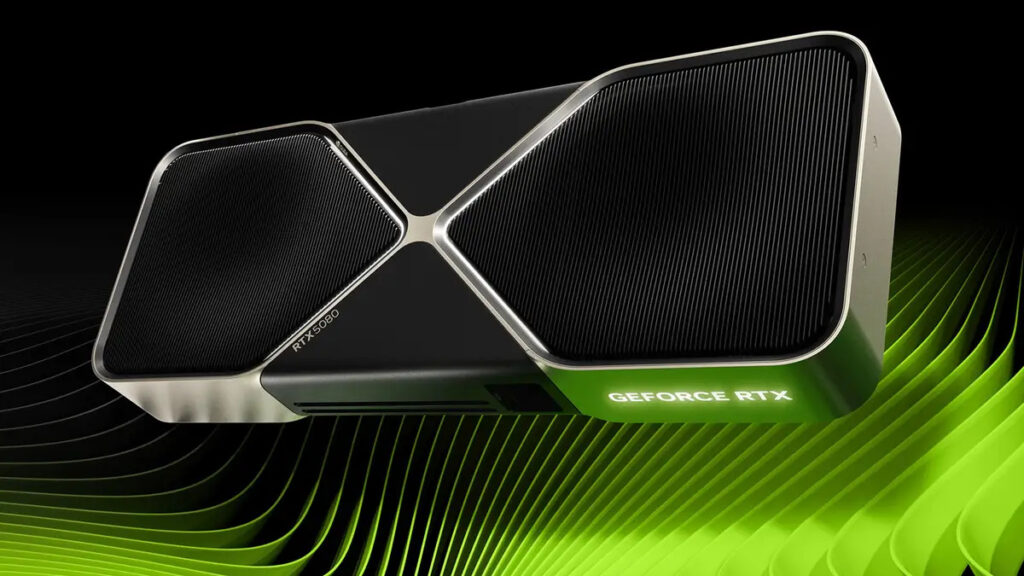
Nvidia has strategically created a significant divide between the RTX 5080 and the 5090, clearly pushing gamers towards the high-end, ultra-fast RTX 5090 for those with deep pockets. This pricing gap also sets the stage for future releases, with the potential for even more expensive GeForce 50 Super series cards over the next year. These upcoming models will likely tackle the VRAM limitations seen in the Blackwell lineup, giving users a chance to upgrade without completely jumping to the 5090. Looks like there’s a lot more to come!
When it comes to specs, the RTX 5080 feels more like a slight step forward than a major leap, offering just a 5% increase in cores and a modest 3% clock speed boost over the RTX 4080 Super it’s replacing. The real highlight here is the switch to GDDR7 memory, which ramps up bandwidth by 30% thanks to a 30 Gbps memory speed on the same 256-bit bus. It almost feels like déjà vu—this could easily be labeled the RTX 4080 Ti Super.
Nvidia GeForce RTX 5080 vs Nvidia GeForce RTX 4080 Thermals
Before we dive into the numbers and blue bar graphs, let’s first compare how the Founders Edition of the RTX 5080 stacks up against the RTX 4080 FE in terms of thermals. To keep things consistent, we ran The Last of Us Part I at 4K with all settings cranked up to their maximum. This real-world test gives us a clear idea of how these GPUs handle demanding titles under stress.
After an hour of intensive load in an enclosed ATX case, the RTX 5080 impressively peaked at just 63°C. Considering its compact size and quiet operation, that’s an excellent result. The fan speed maxed out at 1,400 RPM, and the noise was barely noticeable—virtually inaudible when compared to the already whisper-quiet case fans. It’s clear that Nvidia has managed to strike a balance between performance and thermal management in this design.
| Specification | RTX 5080 | RTX 4080 |
| Cores | 10,240 CUDA Cores | 9,728 CUDA Cores |
| Base Clock | 2.2 GHz | 2.2 GHz |
| Boost Clock | 2.5 GHz | 2.5 GHz |
| VRAM | 16 GB GDDR7 | 16 GB GDDR6X |
| Memory Bus | 256-bit | 256-bit |
| Memory Speed | 30 Gbps | 22.4 Gbps |
| Bandwidth | 720 GB/s | 716.8 GB/s |
| TDP (Thermal Design Power) | 350W | 320W |
| Peak Temperature | 63°C (under load) | 64°C (under load) |
| Fan Speed | 1,400 RPM (quiet) | 1,400 RPM (quiet) |
| Price | $1,000 | $1,200 |
